
Statistics and trends
Animal Cruelty & Abuse — scale and trends in the UK
Reports to RSPCA about intentional harm to dogs rose from 7,691 in 2020 ➝ 8,176 in 2021 ➝ 9,776 in 2022. That works out as around one dog abused every hour in 2022. Broader animal-welfare data from recent years show that a high number of complaints are still being made about abused or neglected pets.
These rising figures suggest animal cruelty remains a serious issue, and — where domestic abuse is involved — often part of a broader pattern of violence.
The Link Between Domestic Abuse and Animal Cruelty
According to the RSPCA, many domestic abuse victims report that their pets are also abused — as a way for perpetrators to coerce, control, or punish.
Research summarised by organisations like the National Link Coalition finds that people who abuse animals are often more likely to commit other violent offences, including domestic abuse.
Some studies report that among domestic-violence victims with companion animals, up to 71% say their partner threatened, harmed or killed pets.
Because victims frequently delay leaving abusive situations for fear of what will happen to their pets — this bond can be exploited by abusers to maintain control.
“MOST SERIAL KILLERS HAVE A HISTORY OF ANIMAL ABUSE. IT’S CONSIDERED THAT ANIMAL ABUSE CAN BE AN INDICATOR OF FUTURE VIOLENT OFFENDING”
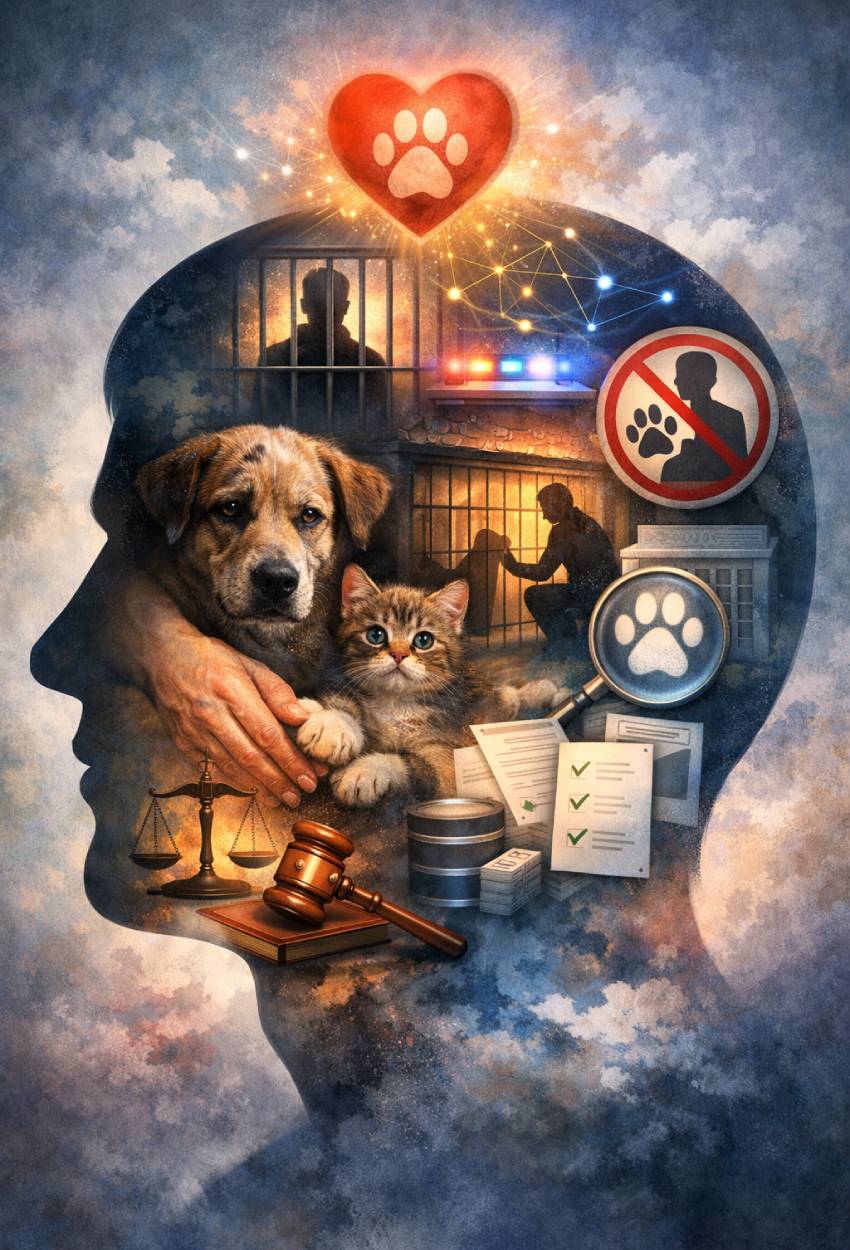
An Animal Cruelty Register under Holly’s Law would help us recognise these underlying signs of violence and aid in preventing tragedies like Holly’s from repeating. It could serve as a red flag for potential partners. A vital resource for individuals, law enforcement agencies, welfare institutions, and more.
With Holly’s story and the countless others whose lives have been impacted by the connection between animal cruelty and domestic violence, let us legislate for change.